
Mistakes That Ruin a Switzerland Itinerary
One of the common oversights by travelers when planning a trip to Switzerland is failing to accurately consider the distances between cities and the time required for travel.
2/14/20265 min read

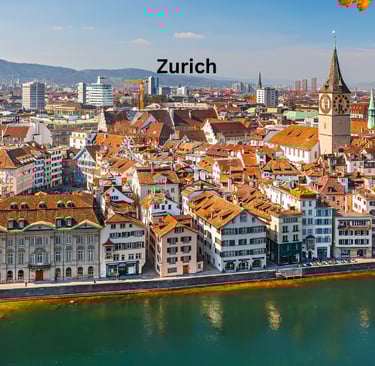
Ignoring Travel Distances and Times
One of the common oversights by travelers when planning a trip to Switzerland is failing to accurately consider the distances between cities and the time required for travel. While Switzerland appears compact on a map, its mountainous terrain and winding roads can greatly impact the duration of travel. Therefore, it is imperative to plan an itinerary that reflects these geographical realities, ensuring that sufficient time is allocated for journeys between various destinations.
Swiss Travel Pass: Unlimited Travel on Train, Bus and Boat
To calculate travel times effectively, utilization of the Swiss transportation system is essential. The rail network is renowned for its punctuality and efficiency, but the schedules must be thoroughly reviewed in advance. Websites and mobile applications provide accurate information regarding train timings and travel durations, which can help in crafting a realistic itinerary that accounts for movement between cities like Zurich, Geneva, and Lucerne. A meticulous examination of this data aids travelers in avoiding the frustration of rushing through their experiences or missing out on key attractions.
Moreover, many travelers underestimate the influence of diverse travel methods and their corresponding travel times. For instance, while a train can be the quickest option for certain routes, combining different transportation modes, such as a scenic lake ferry or a cable car, can enhance the travel experience significantly. Not only does this offer breathtaking views, it also allows for a more leisurely exploration of the surroundings.
Click here for the ultimate 5 Days in Switzerland Adventure
By considering these aspects, travelers can optimize their itineraries and fully embrace the essence of Switzerland. Attention to travel distances and times can transform a rushed vacation into a delightful journey, revealing the stunning scenery and culture that the country has to offer. Taking these factors into account will help prevent the pitfalls of underestimating travel times, thus enhancing the overall travel experience.
Swiss Alps Bernina Red Train and St. Moritz Full Day Tour from Milan
Overpacking Your Itinerary
When planning a trip to Switzerland, travelers often encounter the temptation to pack their itinerary with numerous attractions and experiences. The allure of the Swiss Alps, picturesque towns, and vibrant cities can easily lead to a schedule that is overly ambitious. However, the consequences of overpacking one's itinerary can be detrimental, resulting in unnecessary stress and fatigue, which hampers the overall travel experience.
One substantial drawback of an overpacked itinerary is the limited time available to truly engage with each location. Rushing from one attraction to another significantly reduces the opportunity to immerse oneself in the unique culture and beauty of Switzerland. A hurried pace may lead to missed opportunities for spontaneous exploration, meaningful interactions with locals, and a deeper understanding of the rich Swiss heritage.
To avoid exhaustion and enhance enjoyment, adopting a more relaxed travel pace is advisable. This approach allows travelers to savor their experiences, whether sipping coffee in a quaint village café or leisurely hiking in the breathtaking landscapes. In conjunction with this, prioritizing activities based on personal interests can greatly enhance the travel experience. For instance, instead of attempting to see every landmark, focusing on experiences that resonate personally—such as art museums, culinary tours, or scenic train rides—can yield a more fulfilling adventure.
To effectively select and prioritize activities, travelers should consider their individual preferences, energy levels, and the time they genuinely wish to allocate to each experience. Comprehensive research prior to the trip allows for informed choices, ensuring that visitors craft an itinerary that balances exploration with relaxation. Ultimately, a thoughtful approach to itinerary planning can transform a rushed visit into a memorable journey through the stunning landscapes and vibrant cultures of Switzerland.
Grand Train Tour of Switzerland Multi-Day Tour
Neglecting Local Culture and Cuisine
Switzerland, often celebrated for its breathtaking landscapes, also boasts a rich tapestry of culture and culinary delights that warrant attention from visitors. A prevalent mistake made by travelers is to concentrate predominantly on the stunning sights, neglecting the vibrant local culture and the exquisite cuisine that define the Swiss experience. Engaging with the local customs, traditions, and gastronomical offerings can significantly enhance one's travel experience.
To truly appreciate Switzerland, it is essential to participate in local festivals and cultural events. The calendar is dotted with celebrations that reflect the diverse heritage of the country, such as the Fasnacht carnival in Basel or the Fête de l'Escalade in Geneva. These events provide an opportunity to witness local traditions, enjoy festive activities, and interact with the community, offering a deeper understanding of Swiss identity.
Jungfraujoch Day Tour with Scenic Bus and Interlaken Visit
Moreover, Swiss cuisine is not to be overlooked. Each region boasts its own specialties, with a variety of cheeses, chocolates, and traditional dishes like fondue and raclette that are essential to the culinary journey. Visiting local markets or attending food festivals allows travelers to savor authentic flavors and appreciate the craftsmanship of local artisans. Restaurants that focus on farm-to-table practices or those that offer regional specialties present a unique dining experience, allowing visitors to indulge in the true essence of Swiss gastronomy.
Incorporating cultural exploration and culinary experiences into one's itinerary fosters genuine connections with the local populace and enriches the overall journey. By prioritizing cultural immersion, travelers can create lasting memories that go beyond the typical tourist attractions, making for a more comprehensive and fulfilling visit to Switzerland.
Zurich Private Walking Tour with a Local Guide
Not Considering Seasonal Variations
Switzerland's diverse climate significantly influences the overall travel experience, making it essential for travelers to consider seasonal variations when planning their itineraries. Each season in Switzerland offers unique attractions and challenges that can either enhance or detract from one’s travel experience. For instance, winter is characterized by snowy landscapes, perfect for skiing and snowboarding enthusiasts, particularly in the Alps. However, travelers must be aware of potential snow conditions that could affect accessibility to certain regions and activities.
Save money while keeping in touch with your loved ones with
Europe eSIM Data | 35 Countries Multi-Country Travel | Email Deliver
In contrast, summer presents an entirely different ambiance, as the warm temperatures and longer daylight hours encourage outdoor adventures such as hiking, mountain biking, and exploring picturesque lakes. However, the peak tourist season also means that popular destinations may experience crowds, requiring advance planning to secure accommodations and activities. Allocating time for visits during shoulder seasons, such as late spring or early autumn, can provide a more tranquil experience, often with pleasant weather and fewer tourists.
To effectively navigate these seasonal variations, travelers should research the best time to visit based on the types of activities they wish to engage in. For those interested in winter sports, planning a trip between December and March is advisable, while those seeking vibrant festivals might consider visiting during the summer months. Additionally, being prepared for weather-related challenges is crucial, as conditions can change rapidly. Packing versatile clothing and gear suited to the specific season will ensure comfort and readiness for any outdoor pursuits
By understanding Switzerland’s climates and seasonal variations, travelers can make informed decisions that ultimately enhance their itinerary and enjoyment of this remarkable country.

