
Trains vs. Cars in Switzerland: What’s Better?
2/24/20265 min read
Overview of Transportation in Switzerland
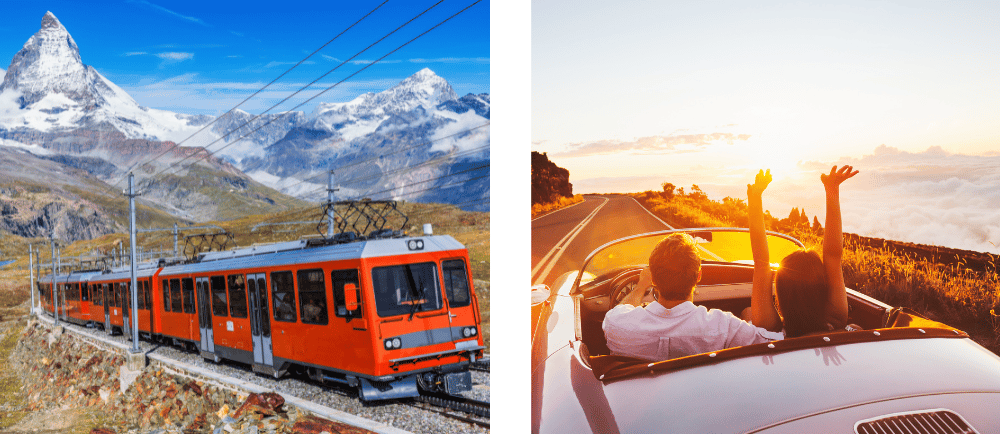
Switzerland is renowned for its commitment to efficient public transportation, which reflects the country's emphasis on connectivity and accessibility. The Swiss transportation system encompasses a well-developed railway network and extensive road infrastructures that serve both residents and tourists effectively. At the core of this system is the Swiss Federal Railways (SBB), which offers punctual and reliable train services, linking major cities and remote areas alike. The resilience and efficiency of the rail system have made trains a favored choice among commuters, significantly contributing to lower road congestion and reduced environmental impact.
In addition to trains, Switzerland boasts an elaborate road network, facilitating car travel across scenic landscapes. While train services cover a wide array of routes, cars provide flexibility and convenience, allowing travelers the freedom to explore more isolated destinations that may not be easily accessible by public transport. This duality in transportation options enhances the overall travel experience, supporting both daily commuting and leisure pursuits.
The integration of public transport and private vehicles allows for seamless transitions when traveling within Switzerland. For instance, many train stations are equipped with nearby car rental services, enabling visitors to combine the efficiency of the railway with the convenience of a car. Furthermore, the country encourages sustainable transport solutions, promoting the use of electric vehicles and offering extensive charging infrastructure. This aligns with Switzerland's broader environmental goals while catering effectively to diverse travel preferences.
In conclusion, the transportation landscape in Switzerland is a harmonious blend of trains and cars, each serving a pivotal role in the commuting experience. Both options provide unique benefits, ensuring that travelers can navigate the picturesque Swiss terrain with ease and convenience.
Swiss Half Fare Card
Comparative Analysis of Trains and Cars
In Switzerland, the choice of transportation method between trains and cars involves a thorough examination of various impacts, including cost, environmental considerations, convenience, speed, and accessibility. Understanding these elements is crucial for making an informed decision regarding travel options.
Cost is a significant factor influencing transportation choices. On average, train ticket prices are competitive, particularly when considering long-distance travel. For instance, a national round-trip train ticket may cost approximately CHF 80 to CHF 150, while car ownership entails ongoing expenses such as fuel, maintenance, insurance, and parking fees, which can sum up to several thousand Swiss francs annually. Therefore, when analyzing the financial aspect, trains often present a more economical alternative for those traveling frequently.
From an environmental perspective, trains demonstrate a notable advantage over cars. Trains, especially electric ones, emit significantly lower levels of carbon dioxide per passenger compared to vehicles. According to recent statistics, rail transport contributes only approximately 0.1% of Switzerland’s total greenhouse gas emissions, as opposed to road traffic that accounts for a substantial portion. This highlights the sustainability benefits of utilizing trains in favor of personal automobiles, promoting a greener choice for visitors and locals alike.
Convenience is another aspect that can vary greatly between these two modes of transport. While trains provide extensive coverage across the country, serving both urban and rural areas effectively, the allure of having a car primarily lies in flexibility and comfort. Urban areas may present challenges for car users due to traffic congestion and restricted parking spaces, while rural regions can be more accessible by car where public transport options may be limited.
Considering all these criteria—cost efficiency, environmental sustainability, convenience, and accessibility—provides a well-rounded perspective on the practical differences between trains and cars in Switzerland. This analysis assists individuals in choosing a transportation method that fits both their budget and their values regarding sustainability.
Personal Experiences: Public Opinions Influencing Choice
Switzerland boasts a well-developed public transportation system, and anecdotal evidence from locals, expats, and tourists often highlights preferences between trains and cars. For many Swiss residents, the train system is not just a mode of transport but a way of life. For example, a Zurich-based professional noted, "I take the train every day to work. It’s reliable, and I can use my commute to catch up on reading or respond to emails. The convenience during daily commutes is unmatched."
Interlaken Ost - Zermatt Train Ticket by SBB
Trains in Switzerland, particularly for those living in urban areas, provide an efficient alternative to driving, which can be complicated by heavy traffic. An expat who recently relocated to Bern stated, "Coming from a city with a less effective public transport system, I appreciate the punctuality and comfort of Swiss trains. Routes through the Alps are scenic, making every trip feel like an adventure rather than a chore."
Conversely, there are instances where car travel becomes a necessity. As a local from Geneva explained, "I prefer taking my car for family outings or weekend trips when the train schedules don’t align with our plans. However, I often feel frustrated with parking issues and congestion in busy areas. The hassle of city driving can be discouraging, especially during peak hours."
Additionally, tourists often share mixed feelings regarding their transport choices. A traveler from the UK remarked, "While I loved the breathtaking views from the train, I struggled with timetables that did not cater to my flexible schedule. Having a car would have provided greater spontaneity, especially for exploring remote villages."
Ultimately, the choice between trains and cars in Switzerland reflects varied personal experiences and priorities. Whether prioritizing convenience, scenic travel, or flexibility, public opinions reveal a diverse range of factors influencing transportation preferences across the country.
The Future of Transportation in Switzerland
The future of transportation in Switzerland is set to be shaped significantly by ongoing innovations and strategic infrastructure projects. The Swiss government, in collaboration with private entities, is investing heavily in both electric vehicles (EVs) and railway enhancements. The push towards electric mobility is driven by the need to reduce carbon emissions and combat climate change. This transition includes expanding the network of charging stations and providing incentives for consumers to switch from traditional gasoline-powered cars to electric models.
In parallel, advancements in railway technology are transforming the train travel experience. High-speed trains, improved scheduling systems, and enhanced passenger services are becoming integral to the national rail framework. Swiss Federal Railways (SBB) is working on integrating more digital solutions, such as mobile ticketing and real-time updates, to facilitate a seamless travel experience. This alignment with technological innovation not only attracts more passengers to the rail system but also enhances the overall efficiency of train services, positioning the rails as a competitive alternative to car travel.
Moreover, government policies are increasingly focusing on sustainable transport. Initiatives aimed at reducing road congestion, such as the promotion of carpooling and the development of extensive cycling paths, resonate strongly with the environmentally conscious populace. Furthermore, trends favoring collective modes of transportation over individual car usage are beginning to emerge, as public awareness grows regarding the environmental and economic benefits of reducing dependency on cars.
As these trends evolve, it is likely that the public preference for transportation modes will sway significantly. With an emphasis on sustainability and efficiency, trains may become the preferred mode of travel for many, potentially transforming not just the transportation landscape but also affecting environmental outcomes, economic viability, and lifestyle choices across Switzerland.